
The short answer
The five mistakes that cost Toronto homeowners the most: repairing the concrete without fixing the water that damaged it, rigid patches on cracks that move, new material troweled over rusting steel, skipping the sealing afterwards, and taking the whole job on a handshake with nothing documented. Every one of them turns a one-time repair into a repeat purchase. The fix is diagnosis first and documentation at the end.
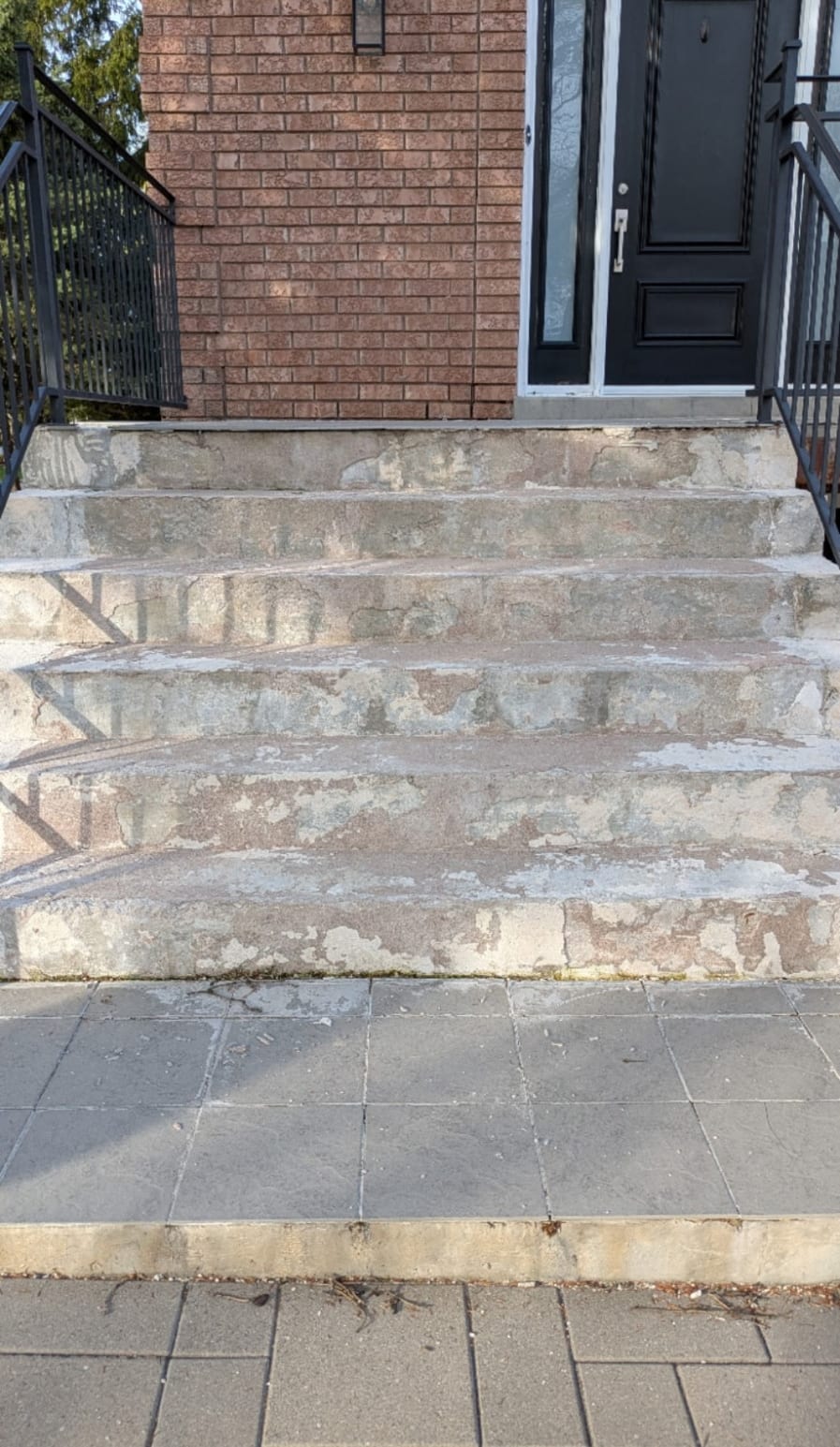
Ignoring the water source
The most expensive mistake is repairing the concrete without asking why it failed. A downspout dumping beside a slab, poor grading, or a joint letting water underneath will destroy a fresh repair as surely as it destroyed the original. Fixing the water is part of fixing the concrete, skip it and you are paying to reset the clock.
Rigid patches on moving cracks, and covering rusted steel
Two technical mistakes show up again and again. First, filling a working crack, one that opens and closes seasonally, with a rigid patch, which simply cracks again beside the repair. Working cracks need flexible sealants. Second, troweling new concrete over exposed, rusting rebar without treating the steel. The corrosion continues underneath and blows the repair off within a couple of winters. Exposed steel must be cleaned and treated, not hidden.
Skipping sealing, and skipping documentation
Sealing is the cheapest protection concrete can get, and skipping it is the most common reason surfaces end up back on a repair list. A repair without a protection plan is half a job. Finally, homeowners rarely get, or ask for, documentation of the work. Without photos, materials and warranty in writing, there is no proof of what was done for resale, insurance, or the next contractor, and no accountability if it fails.
Key takeaways
- Fix the water source, or the repair fails just like the original did.
- Use flexible sealants on working cracks, not rigid patches.
- Never cover rusting rebar, clean and treat the steel first.
- Always seal after repair, and get the work documented in writing.
Frequently asked
Why did my last repair fail so fast?
Most commonly because the water source was never addressed, a rigid patch was used on a moving crack, or rusted steel was covered instead of treated. All three are avoidable.
What should I insist on from a repair?
That the cause (often water) is addressed, the right method is used for the damage, the surface is sealed or finished, and the work is documented in writing.
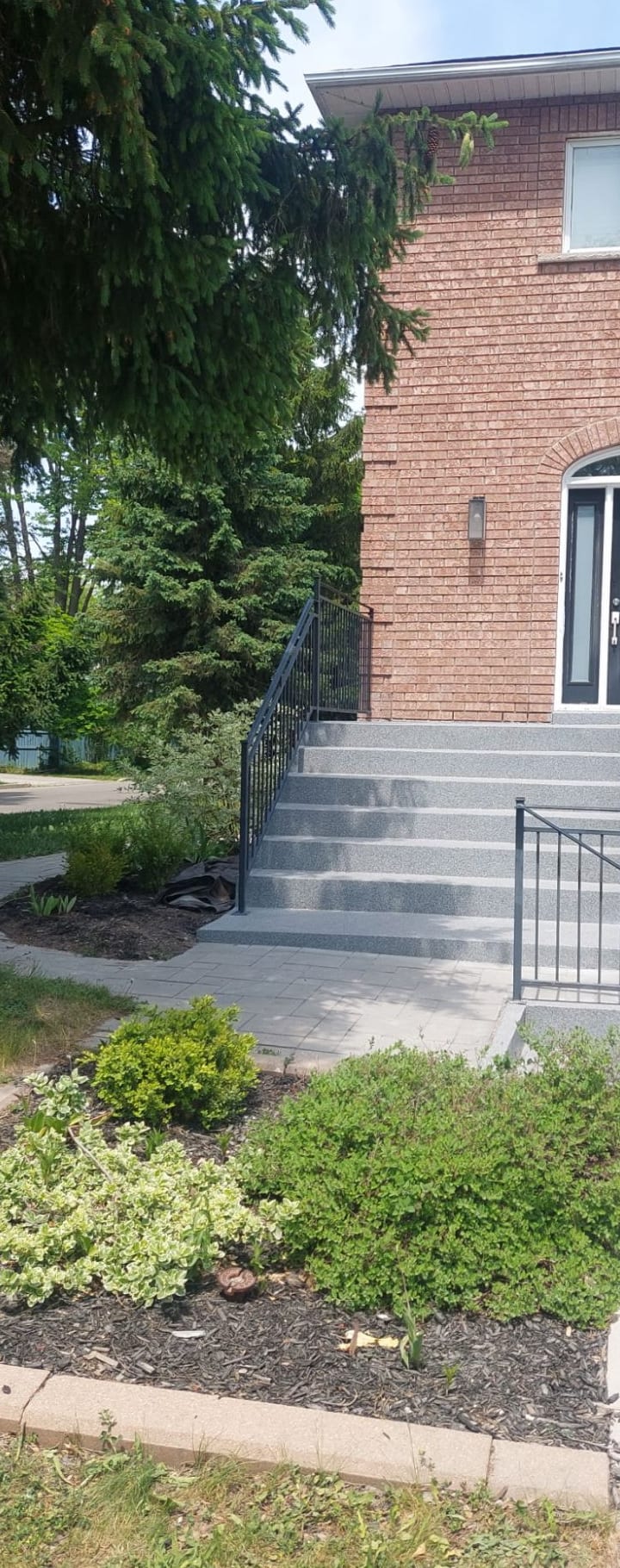 See it doneThe painted stair above, done rightView →